


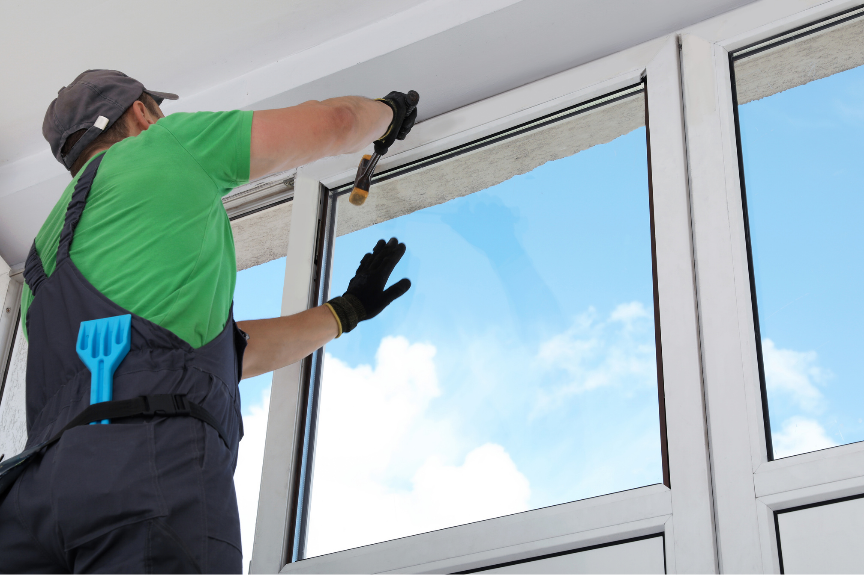
Nothing is more frustrating than opening your utility bill after a freezing January or a humid July in Central Pennsylvania. You set your thermostat to a comfortable temperature, yet your living room still feels drafty in the winter and stifling in the summer. Standard window glass lets outside weather steal your indoor comfort, forcing your heating and cooling systems to work overtime.
At HomeRite Windows and Doors, we talk with local homeowners every day who want a practical fix for high energy bills. Upgrading to energy-saving windows is one of the smartest ways to keep your house comfortable without breaking the bank. Below, we explain how special glass coatings work in simple terms so you can choose what makes the most sense for your home and budget.
What Are Low-E Glass Windows and How Do They Regulate Indoor Temperatures?
Low-E stands for low emissivity. In simple terms, emissivity measures how easily heat passes through a material. Standard clear glass lets heat pass right through it. Low-E glass windows feature an invisible, microscopically thin metallic coating applied directly to the glass surface. This coating is thinner than a human hair, so it lets natural sunlight brighten your rooms while reflecting heat toward its source.
Think of this coating as a smart thermal mirror that separates light from heat. During the day, visible daylight passes cleanly into your home so your rooms never feel dark or heavily tinted. Meanwhile, infrared heat energy bounces off the glass. Because the glass blocks unwanted heat transfer, your indoor temperatures stay steady from room to room.
You also get built-in protection for your home interior. The coating blocks harmful ultraviolet rays that normally fade hardwood floors, carpets, curtains, and family photos over time.
How Do Low-E Coatings Reduce Summer Cooling and Winter Heating Bills in Central PA?
Living in Central PA means dealing with all four seasons. The summers bring heavy humidity and strong afternoon sun, while winters bring freezing winds and snow. Since our weather swings so dramatically, windows built for only one type of climate fall short. Modern Low-E glass windows are engineered to handle both extremes automatically.
In July and August, hot sunlight beats against your glass. The Low-E layer reflects that outdoor solar heat away from your house before it warms up your living space. Your air conditioner runs fewer cycles, keeping your home cool and cutting your summer electric bill.
In January and February, the process reverses. Your furnace works hard to warm the air inside your house. When that warm indoor air touches cold window glass, heat normally escapes outdoors. The Low-E coating bounces your furnace heat back into the room. You eliminate chilly drafts near the glass and keep warm air where you paid to put it.
The Main Benefits of Upgrading Your Glass
When you pair Low-E coatings with double-pane glass and insulating gas fills, your home gains several everyday advantages:
- Lower monthly heating and cooling bills throughout every season of the year
- Even room temperatures with fewer cold spots near window frames
- Less wear and tear on your furnace and air conditioner
- Reduced condensation and frost buildup on inside glass during freezing weather
- Strong protection against sun damage for rugs, couches, and wood trim
If you want to see how different glass packages look and feel in person, stop by our Mechanicsburg showroom or fill out a form on our website to request a free, no-pressure quote.
What Do Energy-Saving Windows Cost, and When Does Full Window Replacement Make Sense?
Homeowners often ask about energy-saving windows cost before starting a project. While Low-E glass costs slightly more upfront than basic clear glass, the price difference per window is usually modest. Most homeowners recover that extra cost over time through lower monthly utility bills and available energy tax credits.
Knowing when to repair versus when to replace saves you money. If your existing window frames are solid, wood is rot-free, and the sashes open smoothly, you might only need new glass units. However, a full window replacement makes the most financial sense when your current windows show clear signs of age.
Watch for peeling paint, soft wood, foggy glass panes with broken seals, or windows that stick shut. Putting expensive new glass into a warped, drafty frame wastes your money because air will still leak around the edges. A full window replacement solves both air leaks and glass heat loss at the same time. It also boosts your home’s resale value and gives your exterior a clean, updated look.
How to Choose the Right Option for Your Budget
Every house in Central PA has different needs. A historic brick home in Carlisle has different requirements than a newer colonial in Harrisburg. You do not always need the most expensive triple-pane glass on every wall. For instance, south-facing and west-facing windows take the hardest hit from summer sun and benefit most from stronger solar control coatings. North-facing windows benefit most from coatings designed to hold indoor heat inside.
An honest window specialist will help you mix and match features so you only pay for performance where your home actually needs it. Ready to get clear numbers for your specific house? Set up a call with our local team today so we can walk you through simple pricing options tailored to your budget.
Why Trust HomeRite Windows and Doors With Your Home?
Buying new windows should never feel like a high-pressure sales pitch. At HomeRite Windows and Doors, we treat you like a neighbor because we live and work right here in Central PA. Our certified installers take pride in clean, careful craftsmanship that ensures your new energy-saving windows seal tightly and perform properly for decades.
You deserve straightforward answers, fair pricing, and windows built to handle Pennsylvania weather. Whether you are replacing two drafty bedroom windows or planning a whole-house upgrade, our team is ready to help you decide confidently. Reach out to schedule your free in-home consultation today.