
Choosing new windows for your house is a big step. Windows protect your family from cold winters and hot summers, keep energy bills manageable, and give your house its curb appeal. When you start exploring window replacement options in Central PA, you will quickly notice two popular choices standing out above the rest: double-hung windows and casement windows.
Every home is different, and what works for your neighbor down the street might not be the best fit for your living room or kitchen. At HomeRite Windows and Doors, we want to help you understand how these styles work so you can pick the right option for your needs and budget.
Main Differences in Double Hung vs. Casement Windows Design
The biggest difference between these two window styles is how they open and operate.
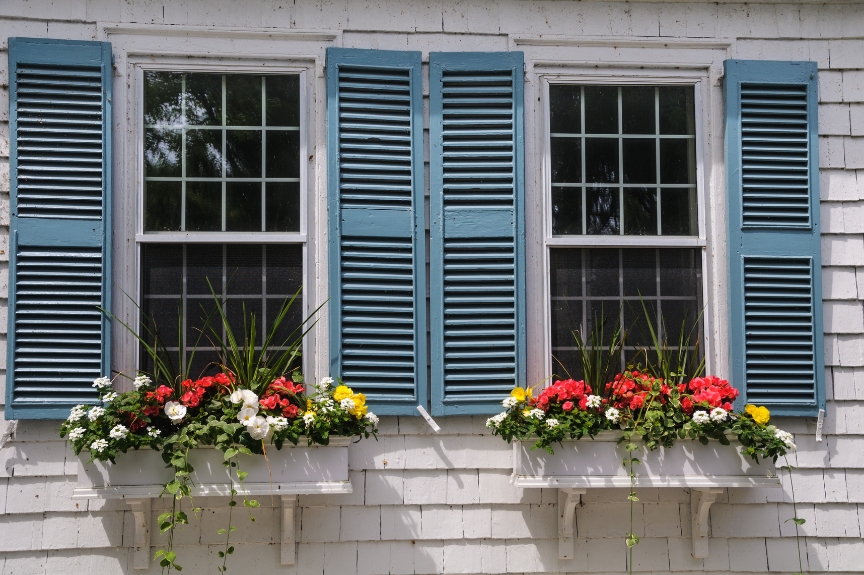
Double-hung windows feature two moving sashes that slide up and down inside a vertical frame. You can open the top sash, the bottom sash, or both at the same time. This layout provides great ventilation because warm air escapes out the top opening while cool air flows in through the bottom. They also feature tilt-in sashes, which make cleaning the outside glass from inside your room simple and safe.
Casement windows attach to their frame by hinges on one side and swing outward like a door using a small hand crank. Because the entire glass sash opens outward, you get full top-to-bottom airflow across the entire opening. They are popular above kitchen sinks, behind furniture, or in places where pushing a sash up or down is hard to reach.
Double Hung vs. Casement Windows: Energy Efficiency in Central PA
Weather in Central Pennsylvania brings a full range of conditions, from freezing winter snowstorms to humid summer afternoons. Keeping drafty air outside is a top priority for local homeowners.
When considering energy performance, casement windows hold a slight advantage over double-hung options. A casement sash closes by pulling tight against the window frame. When cold winter winds blow against your home, the wind pushes the sash even tighter into the frame seal. This creates a tight barrier that seals out drafts completely.
Double-hung units use weatherstripping along the tracks where the sashes slide. While modern manufacturing makes double-hung windows very energy efficient, sliding tracks simply have more seam area than a hinged window. However, high-quality installation ensures both styles keep your home comfortable year-round.
If you want to lower your heating bills this winter, set up a call with our local installation specialists who can measure your openings.
Replacing Casement Windows with Double Hung Units
Many homeowners ask if replacing casement windows with double-hung models is possible during a home remodel. The short answer is yes. You can swap out your old crank windows for classic sliding units without major structural changes to your house.
Replacing casement windows with double-hung sashes is a practical project, but a few structural factors need attention during installation:
- Opening Dimensions: Casement openings are often taller and narrower than standard double-hung openings.
- Exterior Trim Adjustments: The outside frame molding might need slight adjustments to match the new sliding frame style.
- Internal Support: Installers must verify that the existing rough opening supports the weight of two sliding sashes.
- Egress Requirements: Bedrooms need window openings large enough for emergency escape, and casement openings offer more clear space than double-hung units of the same size.
- Sightlines: The center bar of a double-hung frame sits at eye level, which changes your view compared to a clear casement glass pane.
Working with an experienced team ensures your new units fit snugly into the existing space without creating hidden air leaks around the frame.
Comparing Features for Your Budget and Style
Finding the right window balance means comparing daily convenience, look, and cost. Double-hung styles offer a classic, traditional appearance that fits traditional, colonial, and craftsman homes throughout Pennsylvania. They are simple to operate, easy to wash, and generally cost less per unit, making them budget-friendly for whole-house replacement projects.
Casement styles fit modern and contemporary architecture well, offering unobstructed views of your yard because no center rail cuts across the glass pane. They are easier to crank open with one hand, which helps people with mobility concerns or in hard-to-reach spots. Because of the extra mechanical hardware and crank parts, casement units usually cost a bit more up front.
If you are ready to compare styles in person and see physical samples, fill out a form on our site to request a free in-home consultation and estimate.
Making the Right Decision with HomeRite Windows and Doors
There is no single winner when comparing double-hung vs. casement windows. Many Central PA homeowners choose a mix of both styles across their house. For instance, you might choose casement units for your kitchen and living room to maximize views and airflow, while putting double-hung units in upstairs bedrooms for easy cleaning and child safety.
At HomeRite Windows and Doors, we walk you through your choices honestly without high-pressure sales pitches. We help you measure your openings, evaluate your home heating needs, and pick a combination that keeps your family cozy while staying within your budget.
Visit our website today to browse our full product options and fill out a form to schedule your consultation.